Personal Care vs. Skilled Home Health: What’s the Difference?

When families start looking for help at home, they often hear two terms that sound alike: personal care and skilled home health. Both happen in the home, and both can make daily life safer and easier. But they are different kinds of care, provided by different kinds of professionals, for different needs.
Understanding the difference helps you ask for the right help, avoid paying for more than you need, and make sure nothing important is missed.
What is personal care?
Personal care, sometimes called non-medical home care, helps with the everyday tasks of living. It is provided by trained caregivers or personal care attendants, not nurses. The goal is to help someone stay independent, safe and comfortable in their own home.
Personal care often includes:
- Bathing, showering and grooming
- Dressing and getting ready for the day
- Help using the toilet and continence care
- Help moving around the home, getting in and out of bed or a chair
- Preparing meals and helping with eating
- Medication reminders (not giving medications)
- Light housekeeping and laundry
- Errands, shopping and rides to appointments
- Companionship, conversation and activities
Personal care is often a good fit for older adults who are generally stable but need a hand with daily routines, people living with memory loss who need supervision and structure, and family caregivers who need regular breaks.
What is skilled home health?
Skilled home health is medical care provided at home by licensed professionals, such as registered nurses (RNs) and licensed vocational nurses (LVNs), and in some cases therapists. It is usually connected to a doctor’s plan of care and focuses on treating an illness or injury, recovering after a hospital stay, or managing a complex health condition.
Skilled home health may include:
- Wound care and dressing changes
- Monitoring vital signs and symptoms
- Managing and giving medications, including injections
- Care after surgery or a hospital stay
- Teaching patients and families how to manage a condition at home
- Care for ongoing conditions such as diabetes or heart disease
A doctor usually orders skilled services, and the nurse keeps the doctor informed about how the patient is doing.
The key differences at a glance
- Who provides it: Personal care is provided by trained caregivers. Skilled care is provided by licensed nurses or therapists.
- What it focuses on: Personal care focuses on daily living and safety. Skilled care focuses on medical treatment and recovery.
- How it starts: Families can usually arrange personal care directly. Skilled care is usually tied to a doctor’s orders.
- How long it lasts: Personal care is often ongoing. Skilled care may be short term, such as during recovery, or longer for complex needs.
Many families need both
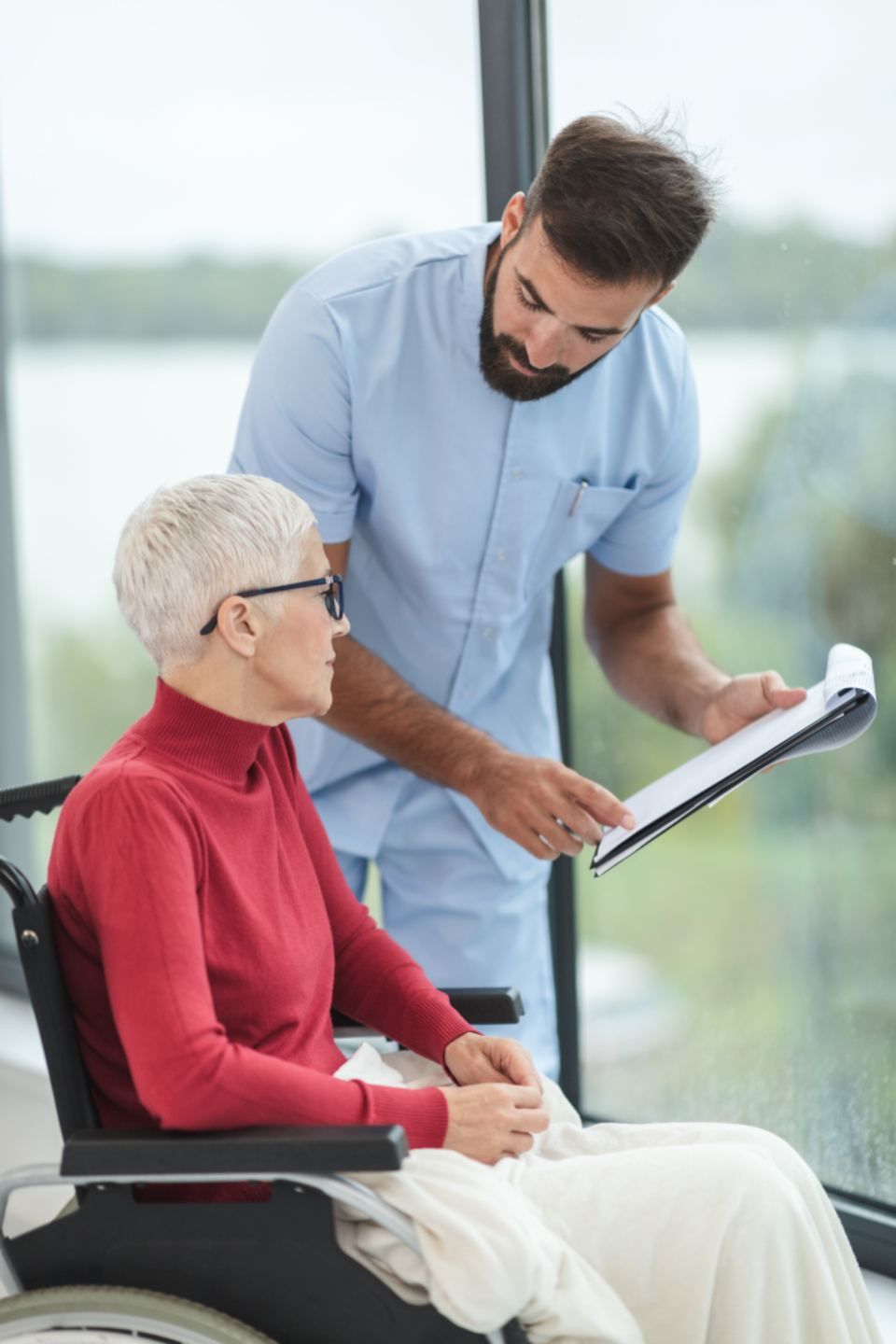
These two types of care often work side by side. For example, after a hospital stay, a nurse might visit to check a surgical wound and review medications, while a caregiver helps with bathing, meals and getting around the house. Over time, the nursing visits may end while personal care continues.
Children with medical needs are another example. A child may need skilled nursing for certain treatments and also help with daily routines. Our pediatric care page explains how in-home care can support families in that situation.
How to tell which kind of care you need
Ask yourself these questions:
- Does my loved one need help with tasks like bathing, dressing, meals or getting around? That points to personal care.
- Does my loved one need medical tasks done, like wound care, injections or close monitoring of a condition? That points to skilled care.
- Did a doctor recommend home health after a hospital stay or new diagnosis? Ask the doctor what services were ordered.
- Is the main concern safety, loneliness or supervision? Personal care and companionship often help most.
If you are still unsure, talk with your loved one’s doctor. They can explain what medical care is needed at home. An agency can then help you plan the non-medical support around it.
What about cost?
How care is paid for depends on the type of care and the person’s situation. Personal care may be paid privately or, for people who qualify, through programs such as Texas Medicaid. Long-term care insurance and VA benefits may also help with some services. Eligibility is decided by the state, the health plan, the insurer or the VA. Our page on paying for care gives an overview of the options.
Questions to ask any agency
- Do you provide personal care, skilled nursing, or both?
- Who supervises caregivers and nurses in the home?
- How do nurses and caregivers share information with each other and with the family?
- How will the care plan change as needs change?
How care changes over time
Care needs are rarely fixed. Someone who only needs a few hours of companionship today may need more hands-on help after an illness, and someone recovering from surgery may need a nurse for a few weeks and then only light support. A good agency reviews the care plan regularly and adjusts the mix of personal care and skilled services as your loved one’s health changes, so they always get the right level of help.
When to get help right away
Home care is not emergency care. If your loved one has chest pain, trouble breathing, signs of a stroke, a serious fall or any other emergency, call 911 immediately.
Talk with us about the right mix of care
Laulain True Care provides both personal care and companionship and skilled nursing and home health for families in the Dallas, Rockwall, Kaufman and Ellis County areas. We can help you understand what kind of support fits your loved one today and how it can grow with them. Learn more about our skilled nursing and home health services, or contact us to start the conversation.