
A Room-by-Room Home Safety Checklist to Help Prevent Falls
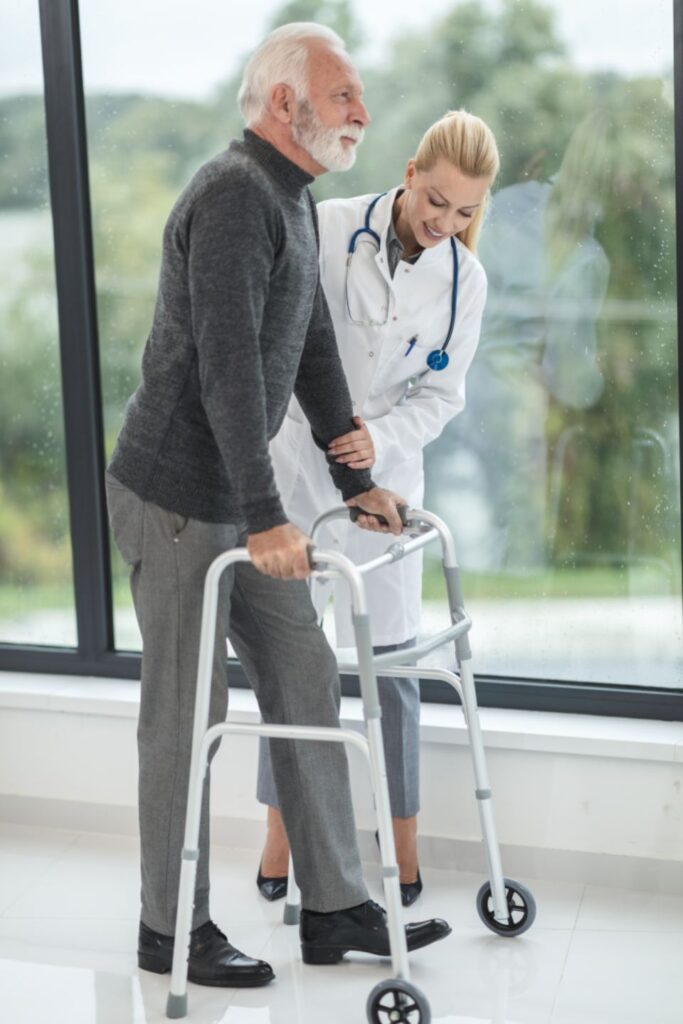
Falls are one of the biggest threats to an older adult’s health and independence. A fall can lead to broken bones, a hospital stay, and a loss of confidence that makes people less active. The good news is that many falls can be prevented with simple changes around the home.
The Centers for Disease Control and Prevention (CDC) offers resources on preventing falls in older adults, including its STEADI initiative for health care providers and families. You can learn more on the CDC’s older adult falls page. This checklist walks you through your loved one’s home one room at a time so you can spot hazards and fix them.
Before you start: talk to the doctor
Home changes are only part of fall prevention. Ask your loved one’s doctor about:
- Reviewing all medications, since some can cause dizziness or drowsiness
- Checking vision and hearing
- Checking feet and footwear
- Exercises or therapy to improve strength and balance
- Whether a cane, walker or other device would help
Entrances and outdoor areas
- Make sure steps and walkways are even and in good repair
- Add sturdy handrails on both sides of outdoor steps
- Keep paths clear of leaves, hoses, toys and clutter
- Install bright lighting at doors and along walkways
- Consider motion-sensor lights so no one walks in the dark
- Keep a small bench or table by the door for setting down bags
Living room
- Remove throw rugs, or secure them firmly with non-slip backing
- Arrange furniture so there are wide, clear walking paths
- Tuck away electrical cords and phone cords along walls
- Make sure chairs and sofas are sturdy and not too low, with armrests to help with standing
- Keep often-used items within easy reach
- Place a lamp near each chair and make switches easy to reach
Kitchen
- Store everyday dishes, pots and food on lower shelves, between waist and shoulder height
- Avoid using step stools or chairs to reach high shelves
- Wipe up spills right away
- Use non-slip mats near the sink and stove
- Make sure the kitchen is well lit, including under cabinets if possible
Bathroom
The bathroom is one of the most common places for falls, because floors are wet and people are moving between sitting and standing.
- Install grab bars inside the shower or tub and next to the toilet
- Use non-slip mats or strips in the tub or shower and on the floor
- Consider a shower chair or tub transfer bench and a handheld shower head
- Use a raised toilet seat or toilet safety frame if getting up is hard
- Add a night light so the path is lit during nighttime trips
- Keep toiletries within easy reach so there is no need to bend or stretch
Help with bathing is one of the most common reasons families bring in a caregiver. A trained caregiver can make bath time safer and more comfortable. Learn more about our personal care and companionship services.
Bedroom
- Place a lamp or touch light within reach of the bed
- Use night lights along the path from the bed to the bathroom
- Make sure the bed is at a height that makes sitting and standing easy
- Keep a phone within reach of the bed
- Remove clutter, shoes and clothing from the floor
- Encourage sitting on the edge of the bed for a moment before standing, to avoid dizziness
Stairs and hallways
- Install sturdy handrails on both sides of indoor stairs
- Make sure there are light switches at the top and bottom of stairs
- Fix loose or uneven steps and secure carpeting
- Add contrasting tape to the edge of steps if they are hard to see
- Never leave items on the stairs
- Keep hallways clear and well lit
Everyday habits that help
- Wear sturdy, well-fitting shoes with non-slip soles, even indoors
- Avoid walking in socks, slippers without backs, or loose-fitting shoes
- Stay active with doctor-approved activities that build strength and balance
- Drink enough water and eat regular meals
- Take time when standing up, and use a walking aid if one was recommended
- Keep emergency numbers easy to find, and consider a medical alert device
If a fall happens
If your loved one falls and is hurt, cannot get up, hit their head, or seems confused, call 911. Even if a fall seems minor, let their doctor know. A fall can be a sign of another health problem, and the doctor may want to check medications or balance.
Check the home again every few months
Needs change over time, and so do homes. A new rug, a rearranged room, a change in eyesight or a new medication can all create new risks. Set a reminder to walk through the home with this checklist every few months, and again after any hospital stay or change in health. It also helps to ask your loved one where they feel unsteady. They often know exactly which step, doorway or corner worries them most, and those spots are a good place to start.
A printable summary
- Clear walking paths and remove trip hazards.
- Add light everywhere, especially at night.
- Install grab bars and handrails where needed.
- Keep everyday items within easy reach.
- Review medications, vision and footwear with the doctor.
- Build strength and balance with safe activity.
Support that helps prevent falls
Home changes go a long way, but some people also need a steady hand with bathing, moving around the home, and daily tasks. Laulain True Care helps families in the Dallas, Rockwall, Kaufman and Ellis County areas keep loved ones safer at home. If you are worried about falls, read about the signs an aging parent may need help, explore our personal care services, or contact us to talk about the support that fits.